%2Ffit-in%2F250x250%2Fguide_websites%2F96794%2Fimages%2F177016794728491344260_109821564002755_6002273644347129856_n.jpg&w=1920&q=100)
/users/15c8888d-19ff-40af-b2c6-4ccb6e909123/ratecard/625003266_1511157047683326_4639221021232541294_n-ml7c5omp.jpg)
%2F300x300%2Fusers%2F15c8888d-19ff-40af-b2c6-4ccb6e909123%2Fratecard%2F625003266_1511157047683326_4639221021232541294_n-ml7c5omp.jpg&w=256&q=75)
%2F300x300%2Fusers%2F15c8888d-19ff-40af-b2c6-4ccb6e909123%2Fimages%2Fportage-fishing-cruises-adventure-2791.jpeg&w=256&q=75)
%2F300x300%2Fusers%2F15c8888d-19ff-40af-b2c6-4ccb6e909123%2Fimages%2Fcruising-fishing-indiana-2590.jpg&w=256&q=75)
%2F300x300%2Fusers%2F15c8888d-19ff-40af-b2c6-4ccb6e909123%2Fimages%2Ffishing-fun-indiana-2769.jpg&w=256&q=75)
%2F300x300%2Fusers%2F15c8888d-19ff-40af-b2c6-4ccb6e909123%2Fimages%2Ffive-lake-trout-indiana-cruises-2662.jpg&w=256&q=75)
%2F300x300%2Fusers%2F15c8888d-19ff-40af-b2c6-4ccb6e909123%2Fimages%2Ffishing-warsaw-cruises-2623.jpg&w=256&q=75)
%2F300x300%2Fusers%2F15c8888d-19ff-40af-b2c6-4ccb6e909123%2Fimages%2Fwarsaw-fishing-adventure-2617.jpg&w=256&q=75)
%2F300x300%2Fusers%2F15c8888d-19ff-40af-b2c6-4ccb6e909123%2Fimages%2Fbest-fishing-cruises-in-in-2434.jpg&w=256&q=75)
%2F300x300%2Fusers%2F15c8888d-19ff-40af-b2c6-4ccb6e909123%2Fimages%2Ftrophy-lake-trout-chinook-salmon-2760.jpg&w=256&q=75)
%2F300x300%2Fusers%2F15c8888d-19ff-40af-b2c6-4ccb6e909123%2Fimages%2Fscenic-fishing-cruises-in-2480.jpg&w=256&q=75)
%2F300x300%2Fusers%2F15c8888d-19ff-40af-b2c6-4ccb6e909123%2Fimages%2Fwarsaw-waterfront-excursions-2524.jpg&w=256&q=75)
Extended Lake Michigan Fishing Portage Indiana
 Portage, Indiana, USA
What you will be catching:
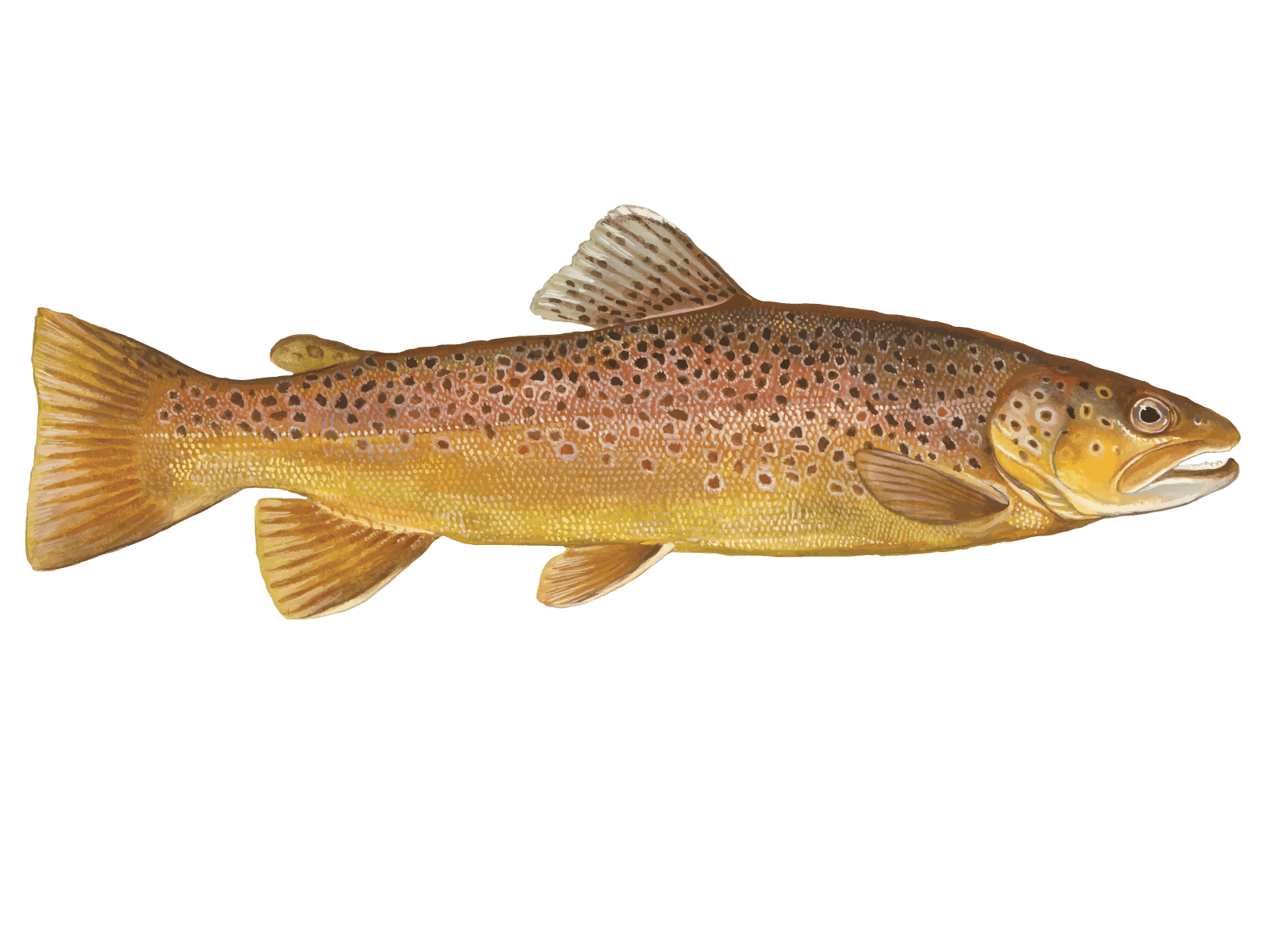
 Brown Trout
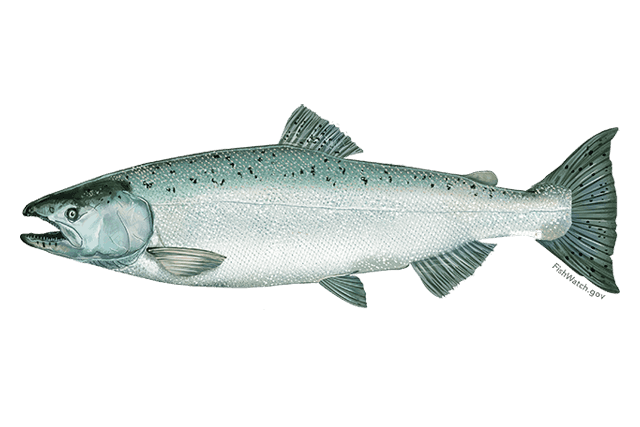
 Chinook Salmon
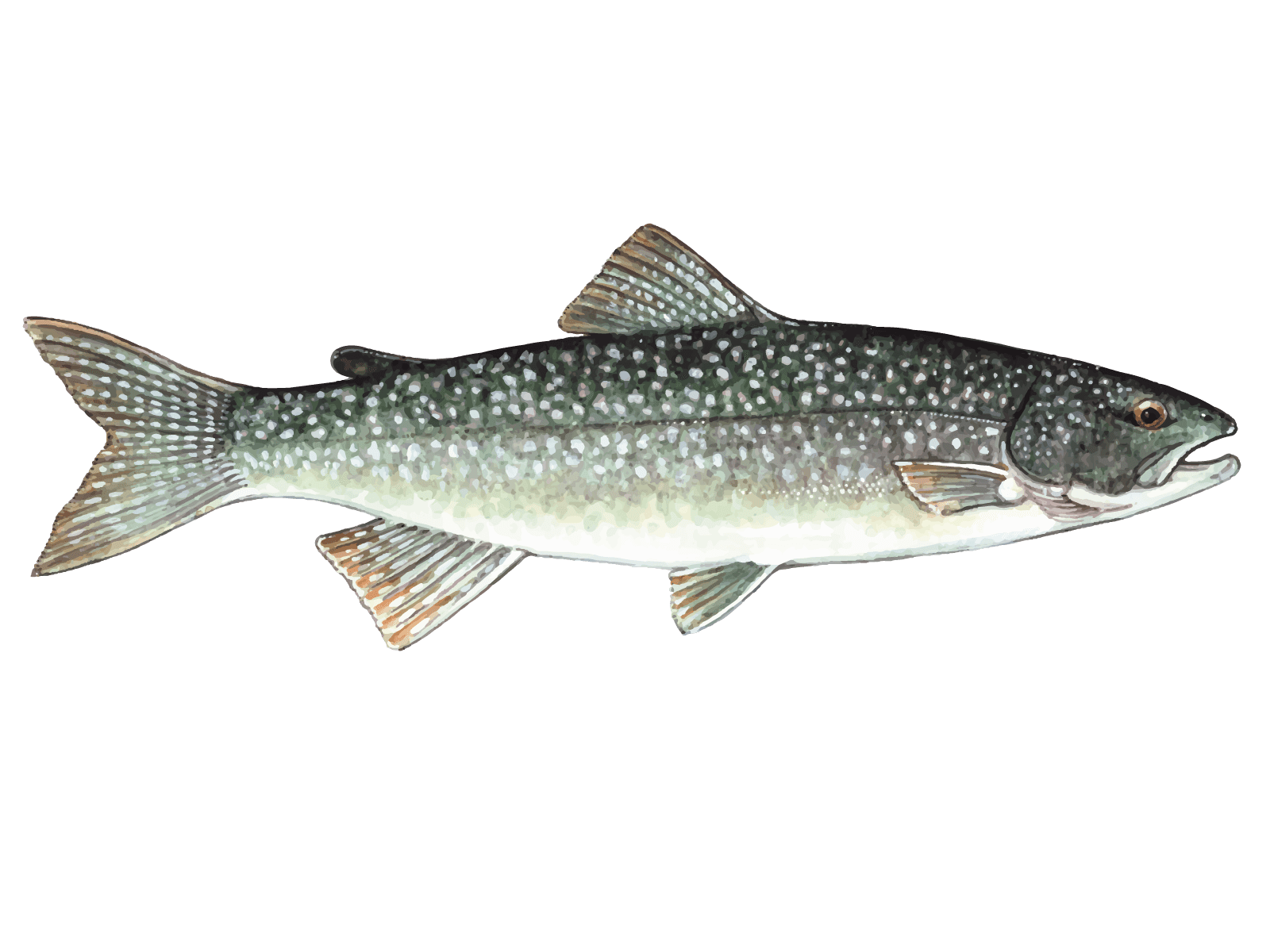
 Lake Trout
- 8-hour Lake Michigan charter departing 6 AM aboard 27' Stamas vessel
- Expert captain provides hands-on instruction and local fishing techniques
- Accommodates up to four guests with multiple fishing locations included
Trip Pricing and Availabilities:
Extended Half Day Morning Fishing on Lake Michigan
If you're looking to spend quality time on Lake Michigan without rushing through the experience, Captain David's extended morning trip hits the sweet spot. Departing at 6:00 AM from Portage, Indiana, this 8-hour guided adventure gives you plenty of time to work the productive spots while keeping things relaxed and enjoyable. Whether you're bringing the family for their first taste of Great Lakes fishing or you're a seasoned angler wanting to dial in your technique, this trip aboard a 27-foot Stamas Fisherman delivers the goods. The boat's built for stability and comfort, so everyone stays happy even when the lake gets a little choppy.
What to Expect on the Water
Captain David runs a fully interactive trip, meaning you'll learn as much as you want about reading the water, understanding fish behavior, and perfecting your presentation. The extended timeframe means no rushing from spot to spot - instead, you'll work areas thoroughly and really get a feel for how Lake Michigan fishing operates. The base rate covers up to four anglers, but larger groups can be accommodated if you need extra space. You'll be targeting the lake's premier species: Chinook salmon, brown trout, and lake trout, all of which call these waters home and provide fantastic fights. The captain knows where these fish hang out during different conditions and times of year, so you're not just casting blind and hoping for the best.
Trolling Tactics & Gear Setup
Lake Michigan fishing is all about covering water and presenting your baits at the right depths, which means trolling is king out here. Captain David will set you up with downriggers, planer boards, and lead core lines to get your offerings down to where the fish are holding. You'll learn how different lures work at various speeds and depths, plus how to read the fish finder to locate schools and structure. The Stamas is rigged with quality rods and reels that can handle the powerful runs these fish are known for. Don't worry if you've never worked with this gear before - the captain breaks it down so everyone understands what's happening and why. By the end of the trip, you'll have a solid grasp of Great Lakes trolling fundamentals.
Top Catches This Season
Chinook salmon are the undisputed kings of Lake Michigan, and for good reason. These powerful fish can push 20-30 pounds and will test your drag system with blistering runs toward deep water. They're most active during the cooler months of spring and fall, but summer fishing can be productive when you find them in the thermocline. What makes chinooks so exciting is their unpredictability - one minute you're bringing in a modest 15-pounder, the next you're locked in battle with a 25-pound bruiser that doesn't want to come to the boat. Brown trout offer a different kind of challenge, typically running smaller but fighting with incredible tenacity. These fish are notorious for their acrobatic jumps and sudden direction changes, making every hookup a wild ride. They're often found in shallower water than the other species, especially during spring and fall when they're staging near shore. Lake trout round out the trio and provide steady action throughout the year. While they might not jump like the browns or run like the kings, these fish are strong and determined, often diving deep and using their weight advantage. They're also some of the best eating fish in the lake, with firm white meat that's perfect for the dinner table.
Time to Book Your Spot
This extended morning trip gives you the best of both worlds - serious fishing time without sacrificing your entire day. The 6:00 AM start gets you on prime water before other boats arrive, and the 8-hour duration means you can really settle in and fish properly. Captain David's interactive approach ensures everyone learns something new, whether it's boat positioning, lure selection, or fish handling techniques. The Monday through Friday discount saves you 10% on non-holiday trips, and veterans or active military personnel get 20% off with proper ID. A $150 deposit secures your date and time, with full refunds available for cancellations made at least seven days in advance. If you cancel within six days, you'll forfeit the deposit, so plan accordingly. This trip consistently delivers both action and education, making it a top choice for anyone serious about Lake Michigan fishing. Don't wait too long to book - the best dates fill up quickly, especially during peak salmon and trout seasons.
Learn more about the species
Brown Trout
Brown trout are crafty fighters that keep things interesting out on the big lake. These golden-brown fish with black spots average 8-24 inches and are known for being pretty smart about avoiding hooks. They hang around structure like drop-offs, rocky areas, and temperature breaks in cooler water. Fall is when they really turn on and feed aggressively, especially during overcast days. What makes browns special is their fighting style - they'll make sudden runs and jump when hooked, plus they taste great on the table. The key to catching more browns is staying quiet and using lighter tackle than you think you need. I've found that trolling small spoons or running streamers behind planer boards works best when they're being finicky about hitting the normal salmon gear.
Chinook Salmon
King salmon are the trophy fish everyone wants to hook into out here on Lake Michigan. These silver beauties with dark spots typically run 12-25 pounds, though we've seen some push 30+ pounds in these waters. They love the deeper, colder areas and avoid bright sunlight, so our early 6 AM start gives us prime fishing time. Chinooks put up an absolute battle - they're strong runners that'll test your drag and make your arms burn. The meat is that perfect orange-pink color and tastes amazing grilled or smoked. Here's a local trick: when we're downrigging for kings, I like to run spoons about 10 feet behind the ball in 60-80 feet of water near the temperature breaks where the cold water meets warmer surface layers.
Lake Trout
Lake trout are the deep-water giants of the Great Lakes and the biggest member of the char family. These grey-green fish with cream-colored spots regularly hit 24-36 inches and 15-40 pounds - real arm-burners when you're fighting them from deep water. They live in the coldest, deepest parts of Lake Michigan, often suspended 60-120 feet down where the water stays consistently cold. Spring right after ice-out and fall are prime times, but they bite year-round if you can find them. Lakers are pure muscle and fight hard all the way to the boat. The meat is rich and flaky - perfect for smoking. My go-to technique is vertical jigging with large spoons or swimbaits right on the bottom in 80+ feet of water, especially around underwater humps and drop-offs where baitfish concentrate.
About the 1986 Stamas Fisherman
%2F%2Fusers%2F15c8888d-19ff-40af-b2c6-4ccb6e909123%2Fvehicle_picture%2Fboat-ml7b6wsl.jpg&w=1920&q=75)
Vehicle Guest Capacity: 8
Manufacturer Name: Tohatsu
Maximum Cruising Speed: 30
Number of Engines: 2
Horsepower per Engine: 150